

Termites
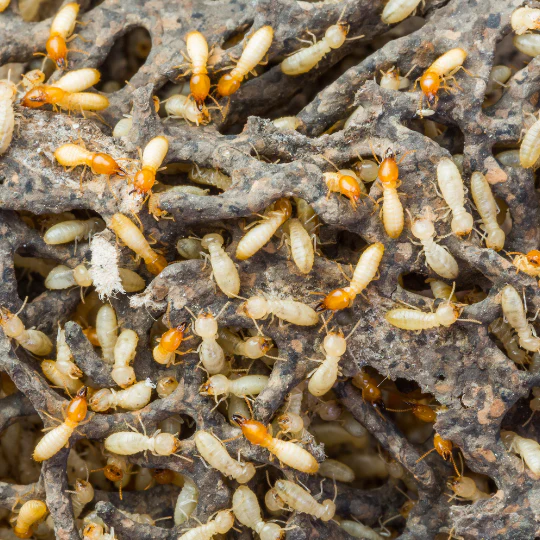
Termites may seem like small, insignificant insects, but they pose significant dangers to homes, buildings, and even the economy. These pests feed on cellulose, which is found in wood, paper, and other plant-based materials, making them a major threat to wooden structures. These include doors, kitchen cupboards, wardrobes and roof trusses. Over time, termite infestations can weaken the foundation of buildings, leading to costly repairs and even structural collapse in severe cases. Unlike other pests, termites often go unnoticed for years, silently causing damage behind walls and under floors. Beyond property damage, termites can also destroy valuable documents, furniture, and crops, impacting both homeowners and businesses alike. Early detection and professional pest control are crucial to minimizing their
destruction. Ignoring a termite problem can result in devastating financial losses, making these tiny insects one of the most destructive pests in the world.
Cockroaches
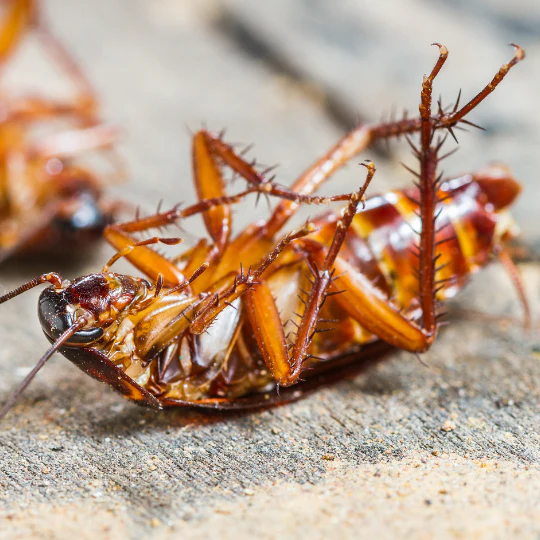
Cockroaches are not just unpleasant pests—they pose serious health risks to humans. These insects thrive in unsanitary environments, such as sewers and garbage dumps, picking up harmful bacteria, viruses, and parasites on their bodies. When they invade homes, they contaminate food, utensils, and surfaces with pathogens like Salmonella, E.coli, and Staphylococcus, which can cause food poisoning, diarrhoea, and other infections. Their shed skins, saliva, and droppings also trigger allergies and asthma, especially in children. Some species even bite, leading to skin irritation and secondary infections. Additionally, cockroaches are notoriously resilient, rapidly multiplying and developing resistance to pesticides, making infestations difficult to control. If an infestation occurs, professional pest control may be necessary to protect your health and home from these hazardous pests.
Rats and Mice
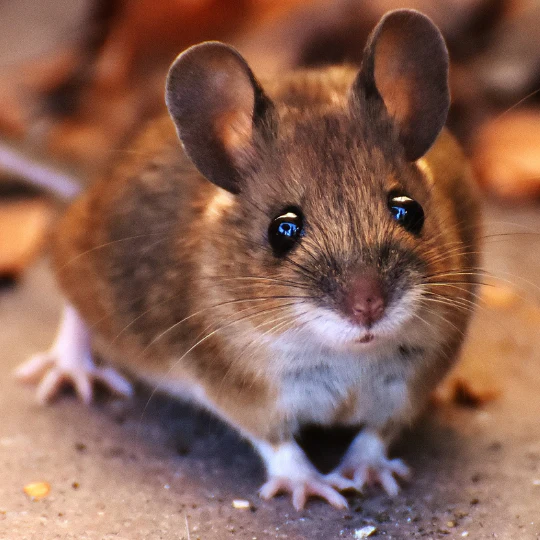
Rats and mice pose significant health risks to humans, as they can carry and transmit various diseases through their droppings, urine, saliva, and bites. These rodents are known to spread serious illnesses such as hantavirus, which can cause severe respiratory issues, leptospirosis, leading to kidney damage and liver failure, and salmonellosis, a dangerous foodborne infection. Additionally, they can harbour parasites like fleas and ticks, which may transmit Plague and Lyme disease. Their presence in homes or food storage areas increases contamination risks, potentially triggering allergies and asthma due to dander and droppings. Without proper pest control, rats and mice
can create dangerous living conditions, making prompt extermination and sanitation essential for health safety.
Bedbugs
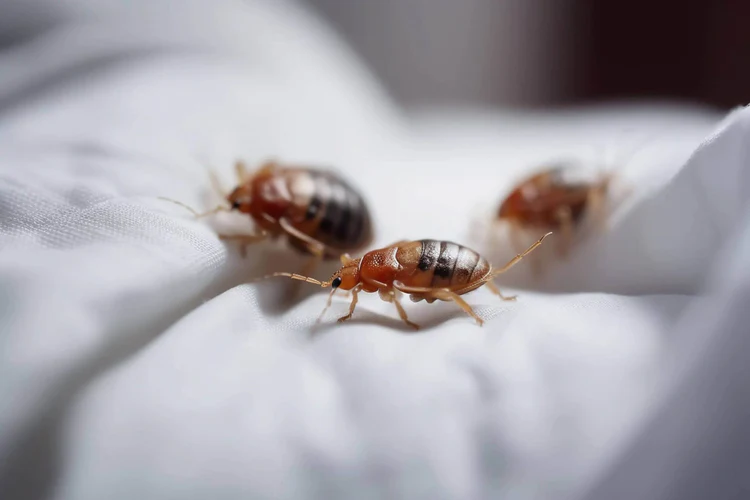
Bedbugs, though not known to transmit diseases, pose several health risks that can significantly impact well-being. Their bites often cause itchy, red welts, leading to discomfort and potential secondary infections from excessive scratching. Some individuals may experience allergic reactions, ranging from mild swelling to severe anaphylaxis. The psychological effects are equally concerning, as infestations can trigger anxiety, insomnia, and stress due to the stigma and frustration associated with eradication. Persistent sleep disturbances may weaken the immune system, increasing susceptibility to other illnesses. Additionally, the use of harsh chemicals in DIY extermination attempts can cause respiratory issues or skin irritation if mishandled. While bedbugs are not directly life-threatening, their presence undermines physical and mental health, emphasizing the need for prompt, professional intervention to mitigate risks. Proper hygiene, early detection, and effective pest control are crucial in minimizing these health hazards and ensuring a safe living environment.
Fleas
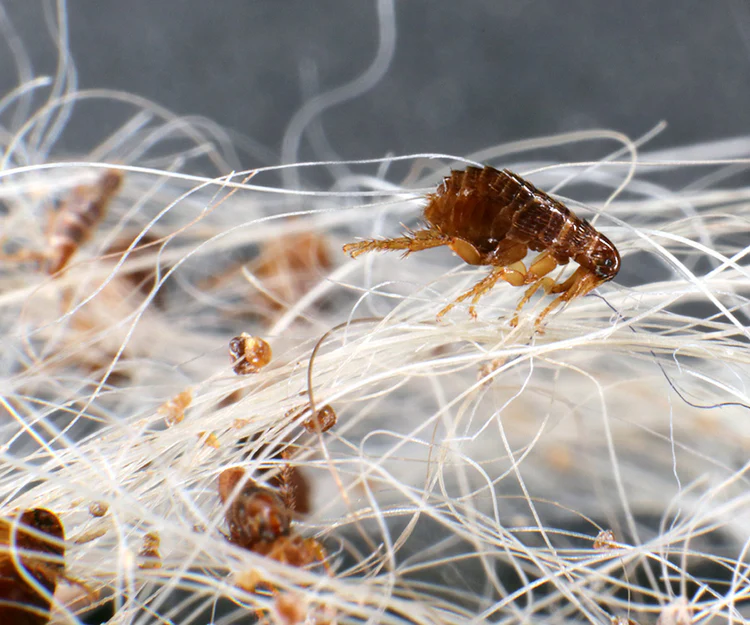
Fleas pose several health risks to humans and animals, primarily through their bites and ability to transmit diseases. Their saliva can cause allergic reactions, leading to intense itching, redness, and dermatitis. Scratching flea bites may result in secondary bacterial infections like impetigo or cellulitis. Fleas are also vectors for serious illnesses, including murine typhus, tularaemia, and bubonic plague, though these are rare in modern times. Infestations in homes can lead to anaemia in young or small pets due to blood loss. Preventing flea infestations through regular pet treatments, vacuuming and maintaining clean living spaces is essential to minimize these health risks. If an infestation occurs, prompt pest control measures are necessary to protect both human and animal health.
Ants
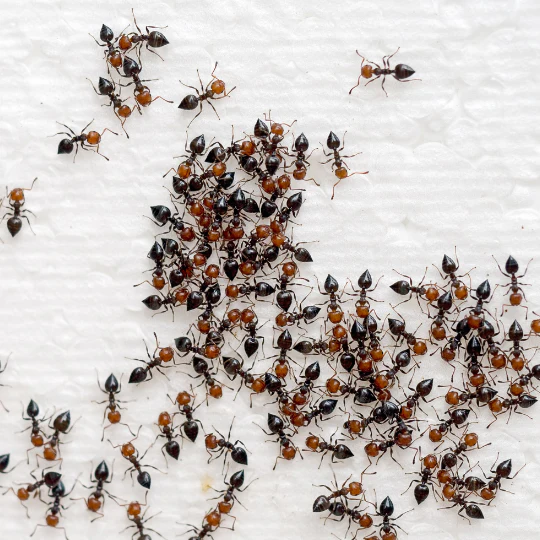
While ants are generally harmless, they can pose certain health risks, especially in large infestations. Ants can also contaminate food by carrying bacteria such as Salmonella and E. coli from unsanitary surfaces to kitchen areas, potentially leading to foodborne illnesses. Additionally, their presence can trigger asthma or allergy symptoms in sensitive individuals due to shed skin and waste particles. Though most ants are not directly dangerous, proper pest control and hygiene are essential to minimize health risks.
Flies
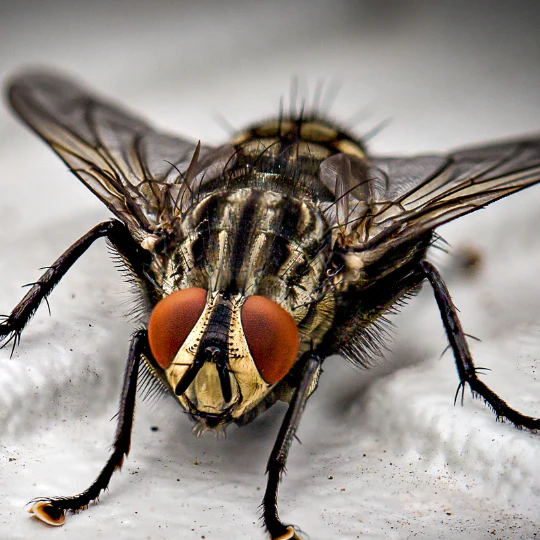
Flies pose significant health risks as they are carriers of various pathogens that can cause serious diseases. They frequently land on decaying matter, garbage, and faeces, picking up bacteria, viruses, and parasites on their legs and bodies. When they come into contact with human food or surfaces, they transfer these harmful microorganisms, leading to infections such as diarrhoea, cholera, typhoid, dysentery, and salmonellosis. They act as vectors for parasitic worms, contributing to conditions like meiosis, where larvae infest human tissues. Their rapid breeding in unsanitary environments exacerbates the risk of disease transmission, particularly in areas with poor waste management. Children and individuals with weakened immune systems are especially vulnerable. Preventive measures, such as maintaining cleanliness, using fly traps, and covering food, are essential to minimize exposure. Controlling fly populations is crucial in reducing the spread of these dangerous illnesses and protecting public health.
Fumigation –ISPM-15
Wooden items need to be fumigated for exports to comply with international phytosanitary regulations and prevent the spread of pests and diseases. Wood, being an organic material, can harbour insects, larvae, or fungi that may pose a threat to agriculture and ecosystems in the importing country. Fumigation, typically using methyl bromide or heat treatment, ensures that all harmful organisms are radicated, making the wood safe for transport. Many countries, including those under the International Plant Protection Convention (IPPC), require fumigation certificates as part of customs clearance. Failure to fumigate shipping containers, wooden packaging, pallets, or crates can lead to shipment rejections, fines, or even destruction of goods, causing significant financial losses. Therefore, fumigation is a crucial step in ensuring smooth cross-border trade and protecting global biodiversity.